Trauma and the Moving Body: Tending to Our Clients and Ourselves
Dance Movement Therapy Approaches to Working with Trauma
We have an exciting opportunity for you! Along with First Aid Arts, we are welcoming Dance Movement Therapist, Amber Elizabeth Grey to Seattle for a two-day workshop, May 17-18! Check out these sites to learn more about Amber and her work:
- https://vimeo.com/296993241
- http://restorativeresources.net
- https://www.youtube.com/watch?v=Cm4aTzWyKDE
(Link to register is below)
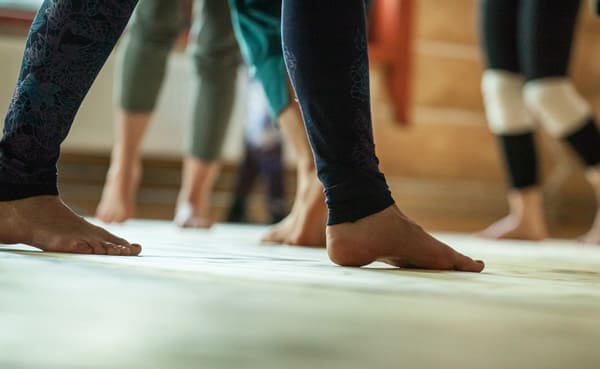
Those of us who steward the restorative process for survivors of trauma are exposed to stories, histories, and emotions that impact our own well-being and worldview. In tending to others, our own hearts encounter suffering and fear. Current neuropsychiatric research suggests that human beings are soft-wired for empathy, which connects us, and increases our risk for vicarious trauma. Research supports contemplative practices and physical activity as fundamental to well-being. The body, and movement provide the most direct access to change that promotes well-being. This 15-hour course provides theoretical, scientific, and contemplative rationale for the use of somatic psychotherapy (body, dance and movement-based practices) with traumatized clients, and as a measure of protection, self-care, and increased compassion. This playshop provides participants with a practical introduction and overview to using body, dance and movement-based therapy in work with survivors of trauma, as well as for our own resilience and well-being.
This course is suitable for mental health professionals, somatic or movement practitioners, or any helping professional interested in using expressive arts methods for working with trauma. No experience in Dance Movement Therapy or Somatic Psychotherapy is required. This course has been approved for 2 credits of Alternate Route DMT, and mental health CEs across the US.
Bio: Amber is a pioneer in the use of Dance Movement Therapy and Somatic Psychology with survivors of trauma, particularly torture, war and human rights abuses. She is an ADTA Outstanding Achievement Award recipient; a recent nominee for The Barbara Chester Human Rights award, and featured expert on torture treatment through Tulane University’s Institute of Traumatology. Amber’s expertise is represented in many published articles, chapters, keynote addresses, professional collaborations and presentations around the world. Amber has provided clinical training on the integration of refugee mental health and torture treatment with creative arts, mindfulness, and body-based therapies to more than 30 programs worldwide, since the 1990’s. She originated a resiliency-based framework and clinical approach (Restorative Movement Psychotherapy) for somatic, mindfulness, movement and arts-based therapies with survivors of trauma in cross cultural, low resource contexts. Her two most recent publications, one co-authored with Dr. Stephen Porges, are based on their co-collaborated Polyvagal informed dance movement therapy.
- This 15-hour course provides theoretical, scientific, and contemplative rationale for the use of dance movement therapy with traumatized clients, and as a measure of protection, self care, and increased compassion. The emphasis of this class is client-therapist co-regulation as both a self-care and a clinical skill that supports DMT’s ability to support clients through their own post-trauma restorative process without re-traumatization. Drawing from a contemplative human rights framework, empowerment and developing a reciprocal alliance are focuses of this course. This class also provides participants with a practical introduction and overview to using DMT in work with survivors of trauma, as well as for therapists own resilience and well-being. The course teaches DMT practices to support safety and stability in the reciprocal therapeutic relationship. A contemporary, evidenced-based phasic approach to working with complex trauma provides the foundation for theoretical material.
Objectives
The student will:
- Define reciprocal alliance and its relationship to client empowerment.
- Have tools to use DMT as a self care, self-regulating and protective practice when working with survivors of trauma (especially relational trauma).
- Have an introductory understanding of the theoretical underpinnings of the Poto Mitan (Center Post) DMT-based Trauma & Resiliency (“CPF”) theoretical framework.
- Describe the primary portals to embodiment of Restorative Movement Psychotherapy and Polyvagal-informed DMT and their relationship to self and co-regulation.
- Acquire at least 6 dance, body, movement, creative art or sound based stabilization methods to self and co-regulate in work with survivors of trauma
-
Trauma and the Moving Body: Tending to Our Clients and Ourselves
May 17, 2019 - May 18, 2019
8:30 am - 5:00 pm
Venue: Ballard Homestead
Address:
